LASCE
Telecommunications
Request More Information
LASCE
Learning Alliance School of Continuing Education (LASCE) is a rapidly expanding Registered Apprenticeship Program Sponsor in both the state of Florida and at the national level. As an apprenticeship program sponsor LASCE is serving underrepresented communities through career development pathways in information technology, advanced communications, and renewable energy. LASCE is continuously seeking to increase these opportunities to new communities through onboarding additional participating employers in these spaces.
Request More Information for ApprenticeshipsTelecommunications
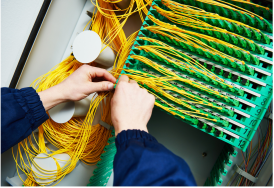
Fiber Optic Telecommunication– CB: 1 year
Classroom Hours: 154
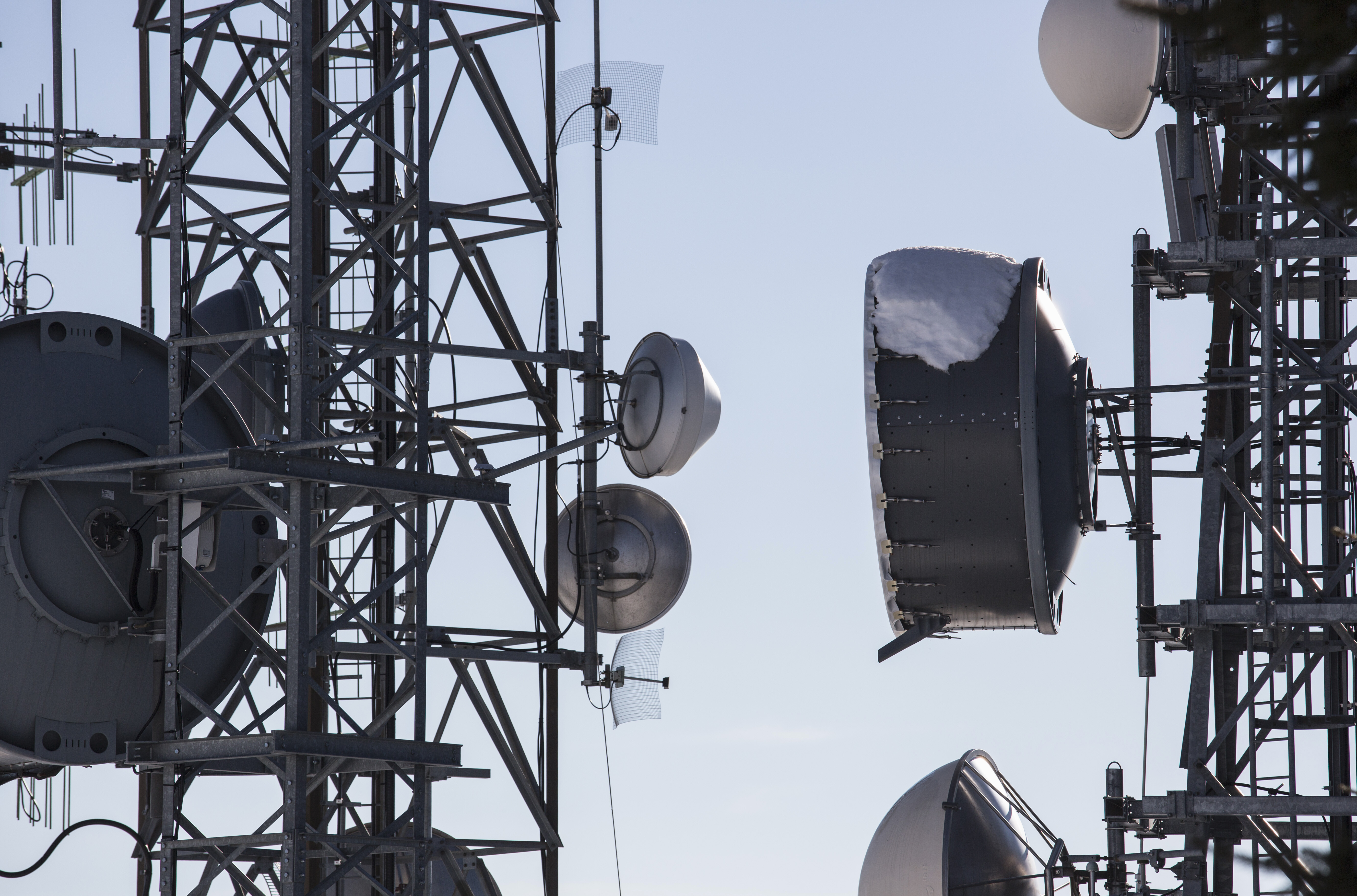
Repair, install, or maintain mobile or stationary radio transmitting, broadcasting, and receiving equipment, and two-way radio communications systems used in cellular telecommunications, mobile broadband, ship-to-shore, aircraft-to-ground communications, and radio equipment in service and emergency vehicles. May test and analyze network coverage.
Telecommunications Technician – HYB: 1 year
Classroom Hours: 160
Demonstrate equipment to customers and explain how it is to be used and respond to any inquiries or complaints. Test circuits and components of malfunctioning telecommunications equipment to isolate sources of malfunctions, using test meters, circuit diagrams, polarity probes, and other hand tools. Test repaired, newly installed, or updated equipment to ensure that it functions properly and conforms to specifications, using test equipment and observation. Climb poles and ladders, use truck-mounted booms, and enter areas such as manholes and cable vaults to install, maintain, or inspect equipment.
Radio Frequency Technician – CB: 1 year
Classroom Hours: 174
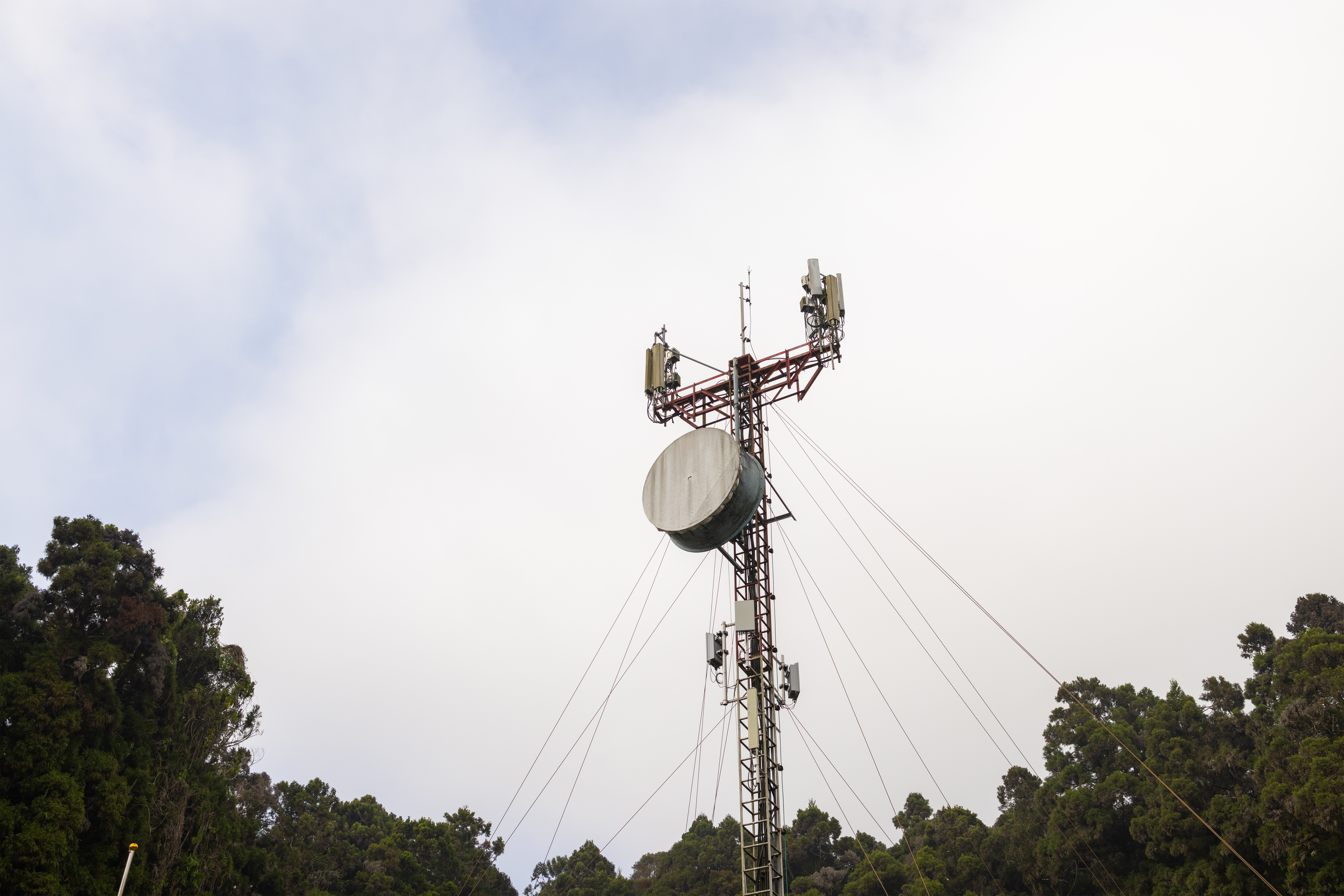
Repairs, installs, or maintains mobile or stationary radio transmitting, broadcasting, and receiving equipment, and two-way radio communications systems used in cellular telecommunications, mobile broadband, ship-to-shore, aircraft-to-ground communications, and radio equipment in service and emergency vehicles. May test and analyze network coverage.
Telecommunications Foreman – HYB: 1 year
Classroom Hours: 185
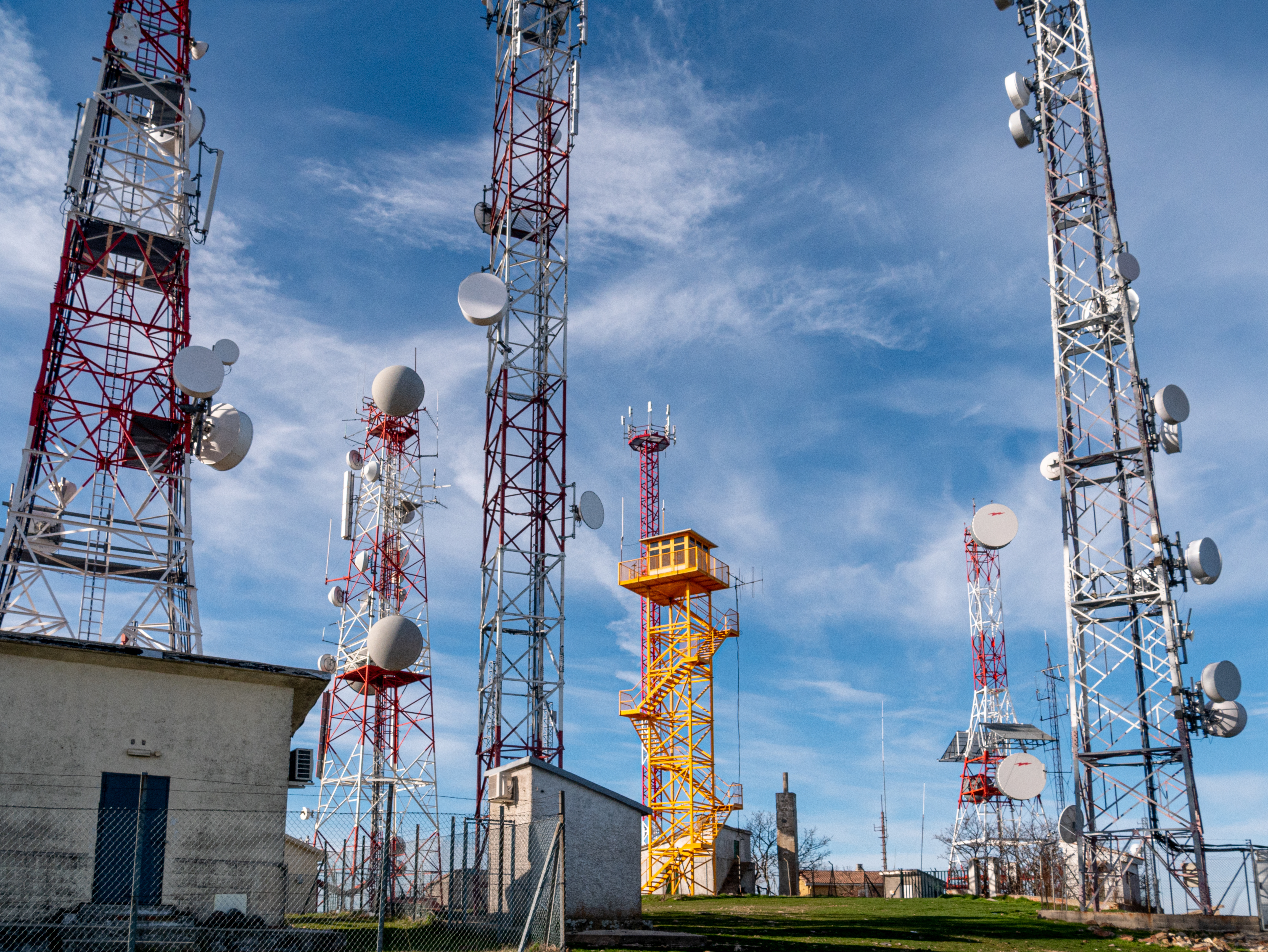
A telecom tower crew foreman is somebody responsible for the safety of personnel. The job of the foreman is to ensure that operatives carry out work in accordance with both company and legal standards. IT and telecom firms need telecom tower crew foremen to supervise work, conduct site audits, and help crews upgrade existing hardware. Some foremen are also responsible for organizing the hours of work and estimating job costs.
Underground Utility Installer Technician – CB: 1 year
Classroom Hours: 154
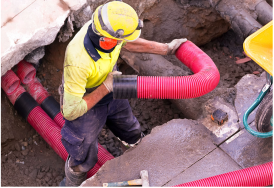
Underground Utility Installer Technicians support the installation, maintenance, and restoration of buried telecommunications systems. This competency-based apprenticeship includes 2,000 hours of on-the-job training focused on trenching, conduit installation, utility locating, horizontal directional drilling, and site restoration. Apprentices also receive safety instruction in CDL operation, OSHA compliance, RF awareness, and backfill techniques. Classroom training reinforces practical knowledge in fiber handling, blueprint reading, confined space entry, and equipment operation. Graduates are prepared to work in high-demand roles across underground telecom infrastructure and construction projects.
In-Building Wireless Installation Technician – HY: 1 year
Classroom Hours: 144
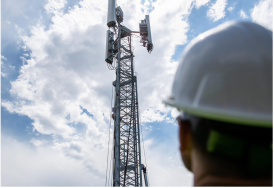
In-Building Wireless Installation Technicians install, terminate, and maintain RF systems that support emergency communications and wireless coverage within commercial buildings. This hybrid apprenticeship includes 2,000–2,500 hours of on-the-job learning in cable installation, passive equipment setup, donor antenna mounting, and fire-stopping. Classroom instruction covers building codes, RF fundamentals, public safety communications (e.g., FirstNet), system design, and troubleshooting. Graduates are certified to support critical in-building wireless systems that ensure connectivity for first responders and facility occupants.
Overhead Utility Installer Technician – CB: 1 year
Classroom Hours: 154
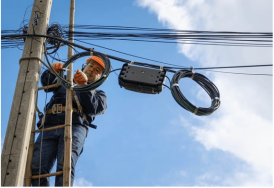
Overhead Utility Installer Technicians build and maintain aerial telecommunications infrastructure, including the installation of fiber and pole-mounted equipment. This competency-based apprenticeship includes 2,000 hours of on-the-job training in pole framing, line lashing, tensioning, vegetation management, and aerial equipment operation. Apprentices are trained in pole climbing, bucket truck use, RF awareness, blueprint reading, and DOT safety. Classroom instruction supports fieldwork with courses in cable splicing, OSHA 10, CPR, material handling, and electrical hazard mitigation. Graduates are equipped for essential roles in broadband expansion and telecom construction.
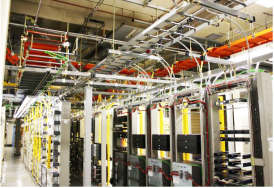
Central Office Installer – CB: 1 year
Classroom Hours: 176
Central Office Installers set up and maintain telecommunications equipment in central switching facilities that support broadband and voice services. This competency-based apprenticeship includes hands-on training in fiber and power cable routing, equipment mounting, documentation, fire stopping, and regulatory compliance. Apprentices progress through advanced installation tasks including quality inspections, system labeling, testing, and customer coordination. Classroom instruction supports these skills with lessons in OSHA safety, cable installation, blueprints, fiber optics, and electrical systems. Graduates are prepared for technical careers supporting network infrastructure and telecom installations.